



UAE Pet Relocation Guide
Relocating to or from the UAE with your pet — permits, microchips, rabies titers, fit-to-fly certificates and crate preparation.
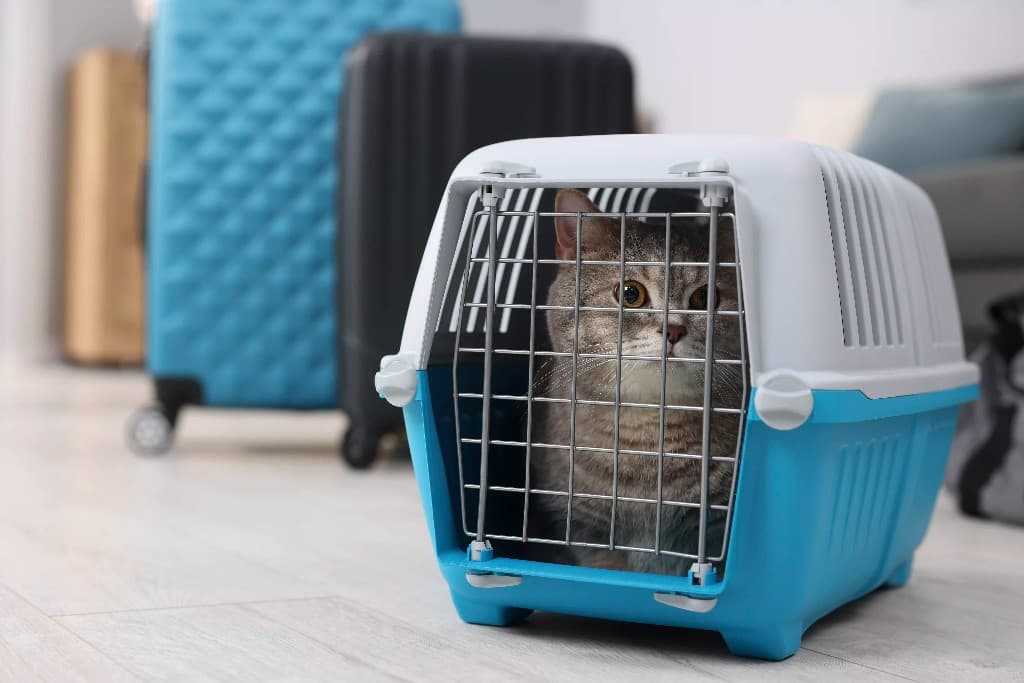
Relocating to or from the UAE with your furry family members is a major milestone, but navigating international pet travel regulations can feel overwhelming. Between government permits, microchip verification, and strict health clearances, proper planning is essential. Starting your preparation 3 to 6 months in advance ensures a smooth, stress-free journey for both you and your pet.
1. Essential Entry and Exit Requirements
Before booking airline tickets or purchasing travel crates, you must meet the core biosecurity requirements set by the UAE Ministry of Climate Change and Environment (MOCCAE) as well as your destination country's agricultural authorities:
- ISO-Compliant Microchip: Your pet must be fitted with a 15-digit ISO 11784/11785 microchip. Crucially, the microchip must be implanted prior to or on the same day as their rabies vaccination.
- Rabies Vaccination: Pets must have an up-to-date rabies vaccine administered at least 21 days before travel. For animals entering the UAE for the first time, vaccinations must fit specific age windows.
- Rabies Neutralizing Antibody Titer (RNAT) Test: If you are traveling to rabies-free or strict-entry regions (such as the UK, European Union, Australia, or Japan), your pet must undergo an RNAT blood test. The sample must be processed by a MOCCAE-approved laboratory, and depending on the destination, a 3-month waiting period post-blood draw may apply before entry is granted.
2. Permits, Documentation, and Fit-to-Fly Certification
Documentation mistakes are the leading cause of pet travel delays at customs. Ensure you have the following secured:
- Import/Export Permits: Every animal leaving or entering Dubai requires an official MOCCAE permit. These permits carry strict validity windows (typically 30 days), so timing your application is critical.
- Fit-to-Fly Health Certificates: Within 24 to 48 hours prior to departure, an accredited veterinarian must conduct a comprehensive physical exam. The vet confirms your pet is free from infectious diseases, fit to withstand air travel, and treated for internal and external parasites (tapeworm and tick treatments).
3. Crate Training and Flight Preparation
Air travel introduces unfamiliar sights, sounds, and pressure changes. Preparing your pet physically and mentally is vital:
- IATA-Approved Crates: Secure an airline-compliant container that allows your pet to stand, turn around naturally, and lie down comfortably without their head touching the top.
- Early Acclimation: Place the crate in your living room weeks before the flight with familiar bedding and treats inside. Encourage your pet to sleep inside so it becomes a safe space rather than a source of stress.
- Feeding Guidelines: Avoid feeding heavy meals 4 to 6 hours before departure to prevent motion sickness, but ensure they have access to water attachments inside the crate.
Plan Your Move with Confidence: Navigating pet export and import rules doesn't have to be stressful. The veterinary team at Arabian Paws manages complete travel health clearances, titer testing, and documentation. Contact our Majan clinic today to start your pet's relocation plan.
